
For more than a decade, the Diocese of Niagara has affirmed a simple, Gospel-shaped conviction: every person deserves the dignity of economic security. That belief has guided us as we have spoken publicly, advocated nationally, and made concrete decisions about how we treat the people who work within and alongside our Church.
Long before “living wage” language entered the mainstream, Niagara was already practicing it. Over ten years ago, the Diocese of Niagara became a certified Living Wage Employer, recognizing early that paying people fairly is an act of discipleship: one that honours the God-given dignity of workers, strengthens families, and builds healthier communities.
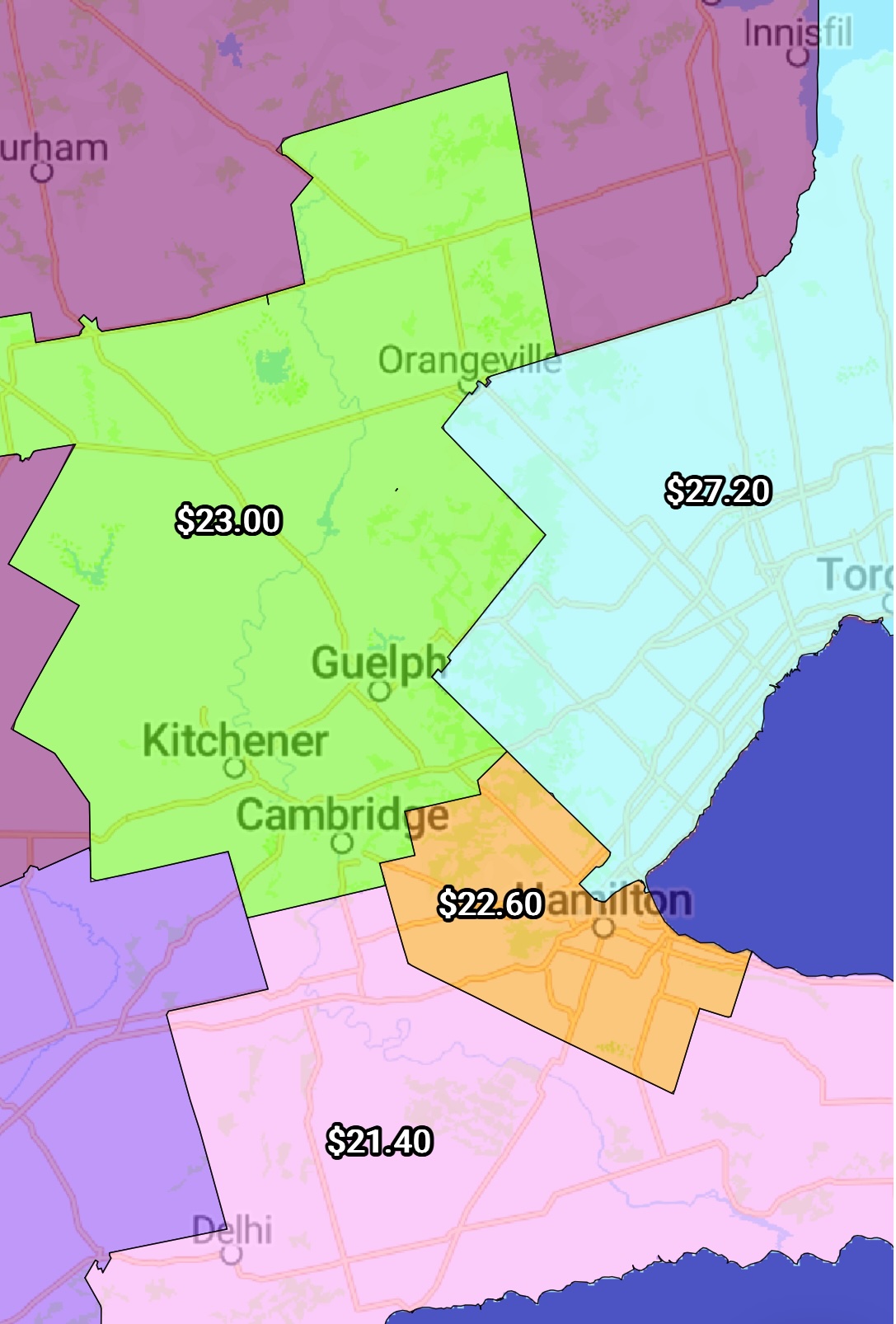
Today, more than 500 organizations across Ontario have followed that example. But Niagara’s leadership has been steady and unwavering. Each year, we’ve adjusted our pay scales in accordance with the regional living wage calculations, acknowledging that the cost of participating fully in the community varies in Hamilton, Niagara, Halton, Wellington, Haldimand, and beyond. The recent update from the Ontario Living Wage Network (which calculates the 2025 living wage rates across Ontario) shows real pressure on households and the urgency of this work.
In my capacity as Justice and Outreach Program Consultant, I was honoured to serve as a guest panellist on a webinar hosted by the Hamilton Roundtable for Poverty Reduction and the Ontario Living Wage Network, in which we explored how faith-based employers, community organizations, and local governments can come together to lift wages and strengthen economic security. This kind of engagement is part of our lived commitment to justice in the diocese.
And now, we are inviting every parish in the diocese to stand proudly in that same commitment. Many are already doing so. Others are discerning how to take the next step. To each community, we say: thank you. Thank you for caring for staff in ways that are just, transparent, and compassionate.
But our work does not stop at our own payrolls.
Niagara has also been a vocal champion of Basic Income, a national, unconditional income floor ensuring that everyone can meet their basic needs. This commitment is rooted in our understanding that poverty is not inevitable. It is the result of policy choices, and faith communities have a responsibility to advocate for a social architecture that lifts people up rather than leaving them behind.
In 2019, Bishop Susan Bell joined 50 Anglican and Lutheran bishops across Canada in signing a landmark open letter to the federal government urging the adoption of a Guaranteed Basic Income.
Currently, I serve as co-chair of the National Basic Income Forum Committee. We will be hosting a session featuring Kim Pate, Senator and sponsor of Bill S206, an act to develop a national framework for a guaranteed livable basic income. This legislation signals a major step in translating our morally-informed advocacy into concrete national frameworks.
That spirit of moral leadership continues to propel us forward. The message remains the same: a strong, stable, compassionate Canada requires income security for all.
As Anglicans, we are called to love our neighbours not only in personal generosity but in public witness. We have a long and proud history in Niagara of doing both. Today, the economic pressures facing households, from food costs to housing to caregiving, make the work of income justice more urgent than ever.
So, this is both a celebration and an invitation:
- To parishes already paying a living wage: thank you for modelling the kingdom of God in action.
- To those discerning the next steps: be encouraged. This work is faithful, possible, and transformative.
- To all people of the diocese: continue raising your voice for policies that honour human dignity, including a Guaranteed Livable Basic Income.
Through advocacy, stewardship, and courageous generosity, we can build a diocese, a province, and a country where everyone has enough to participate fully in all that their communities have to offer.

The Church in Which We Serve